SIL service agreement vs tenancy agreement in North Brisbane
Understand the different roles of SIL service and housing agreements, with a practical North Brisbane checklist for supports, rent, rights and changes.
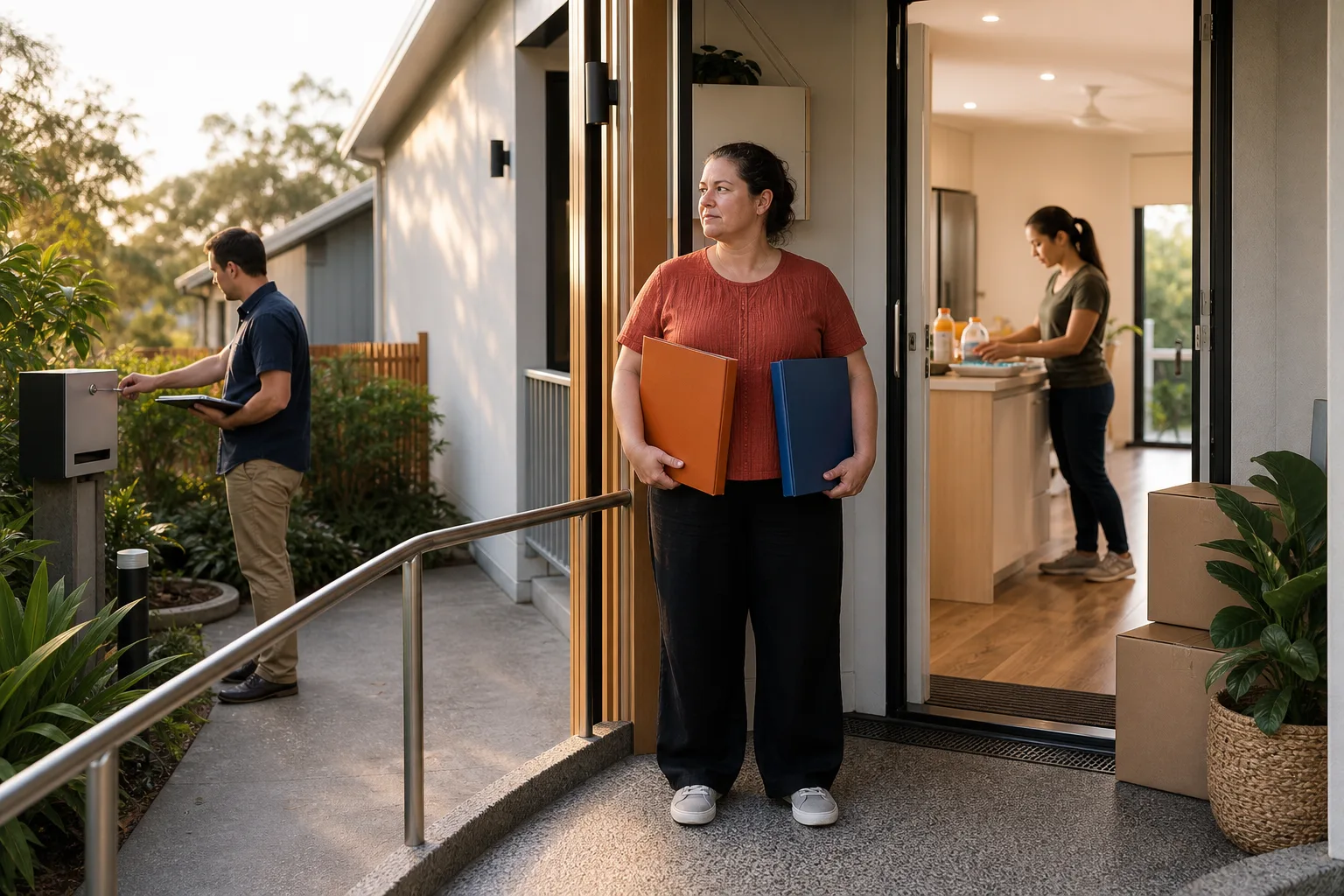
A SIL service agreement and a housing or tenancy agreement do different jobs. The service agreement explains the supported independent living assistance a provider will deliver. The housing or tenancy agreement deals with your right to occupy the home, rent or accommodation charges, and the rules that apply to living there. Where the same organisation provides both SIL support and the tenancy, current NDIS Commission standards say the agreements must be separate and one must not depend on the other.
This guide is for participants and supporters comparing SIL arrangements in North Brisbane. It explains what to look for and what questions to ask. It is general information only, not tenancy, legal, funding or financial advice. Queensland housing arrangements vary, so use the Residential Tenancies Authority (RTA) or an independent advocate or legal service for advice about a particular agreement.
Why the distinction matters
Supported Independent Living, or SIL, is help with daily tasks so a participant can live as independently as possible. It is the support delivered in the home; it is not the building itself. A participant may live in a private rental, community housing, Specialist Disability Accommodation or another arrangement while receiving SIL.
The NDIS Quality and Safeguards Commission’s current SIL Practice Standard for tenancy, housing and support arrangements focuses on clear, accessible and transparent agreements. It says participants should understand that a service agreement and tenancy agreement are legally separate, and that receiving housing should not be contingent on receiving support from a particular provider.
Keeping the two roles clear helps you see what could change if you review your supports, raise a concern, choose a different SIL provider or deal with a housing issue. It also makes it easier to direct a repair request to the housing contact and a support concern to the SIL contact.
What belongs in the SIL service agreement?
The service agreement should explain what support has been agreed and how it will work. The NDIA’s general service agreement guidance covers supports, delivery, price and payment, responsibilities, changes, complaints and ending the agreement. For SIL, current guidance also points to a written agreement and a typical schedule of supports.
Questions to ask include:
- What individual and shared supports will be delivered, and at what usual times?
- How does the typical schedule reflect my routines, goals and support needs?
- Which supports may be shared with housemates, and how is that explained?
- How are weekly amounts, hourly supports, irregular supports and other claims described?
- What happens when my needs, preferences or usual routine change?
- How are worker continuity, handovers, emergency planning and after-hours contacts handled?
- How can I give feedback, raise a complaint, request a change or end the support arrangement?
Ask the provider to identify anything that is an estimate, a typical pattern or still subject to approval. A service agreement should not be treated as proof that the NDIS will fund something that is not in your plan.
What belongs in the housing or tenancy agreement?
The housing agreement should identify the premises and the terms for living there. Depending on the property, it might be a general tenancy, rooming accommodation or another lawful arrangement. Do not assume the label “SIL house” tells you which Queensland tenancy rules or agreement form applies.
For rooming accommodation, the Queensland RTA explains that the written agreement sets out the conditions of the resident’s stay. Its current rooming accommodation guidance says the agreement should identify what is included in rent and what is paid separately, and should not include services paid for through an NDIS funding package.
Housing questions may include:
- Who is the lessor, owner, housing provider or rooming accommodation provider?
- What type of agreement is being offered, and which Queensland rules apply?
- What are the rent, bond, utilities and other accommodation charges?
- What areas are private or shared, and what house rules form part of the agreement?
- Who manages maintenance, repairs, access, safety and property complaints?
- What notice, review and ending provisions apply?
- How will I receive a signed copy in a format I can understand?
The RTA’s resident checklist for starting a rooming accommodation tenancy is a practical official resource when that housing model applies. For a different tenancy type, use the matching RTA guidance rather than assuming the rooming rules carry across.
Seven cross-checks before you agree
1. Put the documents side by side
Check whether the same charge, responsibility or rule appears in both documents. Ask for a plain explanation of any overlap. Support paid from an NDIS plan should be clearly distinguished from rent and ordinary housing costs.
2. Identify both contact pathways
Write down who deals with support matters and who deals with the home. If the same organisation performs both roles, ask how it manages conflicts and how concerns can be escalated independently.
3. Ask what happens if you change support providers
Current SIL Practice Standards are designed to protect choice, control and housing stability. Ask the provider to show where each document explains ending or changing supports, and what would happen to the housing arrangement. Do not rely only on a verbal answer.
4. Check shared-living decisions
Ask how decisions about housemates, vacancies, visitors, shared supports and co-tenant concerns are made. The Commission’s standard expects the SIL service agreement to address matters such as changes in needs, co-tenant conflict, vacancies and visitors where relevant.
5. Request accessible versions and enough review time
You can ask for Easy Read, large print, an interpreter, communication support or time with a trusted person. The Commission’s standard emphasises information in the language, mode and terms a participant is most likely to understand.
6. Separate “available” from “suitable”
A house, room or support vacancy may be available without being suitable for your needs, preferences or goals. Ask how accessibility, location, routines, housemate preferences, staffing arrangements and emergency planning have been considered. No online listing can replace an individual discussion and appropriate evidence.
7. Know where independent help comes from
A support coordinator, nominee or trusted person may help you organise questions, but detailed tenancy or legal advice should come from an appropriate independent service. The Queensland Government lists disability advocacy options, and the RTA provides Queensland tenancy information and dispute-resolution pathways.
Using this checklist in North Brisbane
If you are comparing arrangements locally, begin with the North Brisbane SIL page and Tibii’s broader Supported Independent Living service page. The homes page can help you understand Tibii’s housing pathway, but it does not confirm a vacancy, suitability, funding or service availability.
Bring two lists to any discussion: one headed “my home” and one headed “my supports”. Record the responsible contact, charges, rules, review process, complaint pathway and ending terms for each. Note anything that still needs independent advice.
If you want to ask Tibii how it separates housing and SIL support arrangements, use the contact page. A conversation can clarify the process and documents that may apply; it does not replace advice about your tenancy rights or an NDIA decision about funded supports.
Back to Tibii Blog | Contact Tibii — 1300 736 731