SIL housemates in North Brisbane: what to discuss before sharing support
A practical checklist for discussing routines, shared supports, visitors, conflict and vacancies before entering a North Brisbane SIL arrangement.
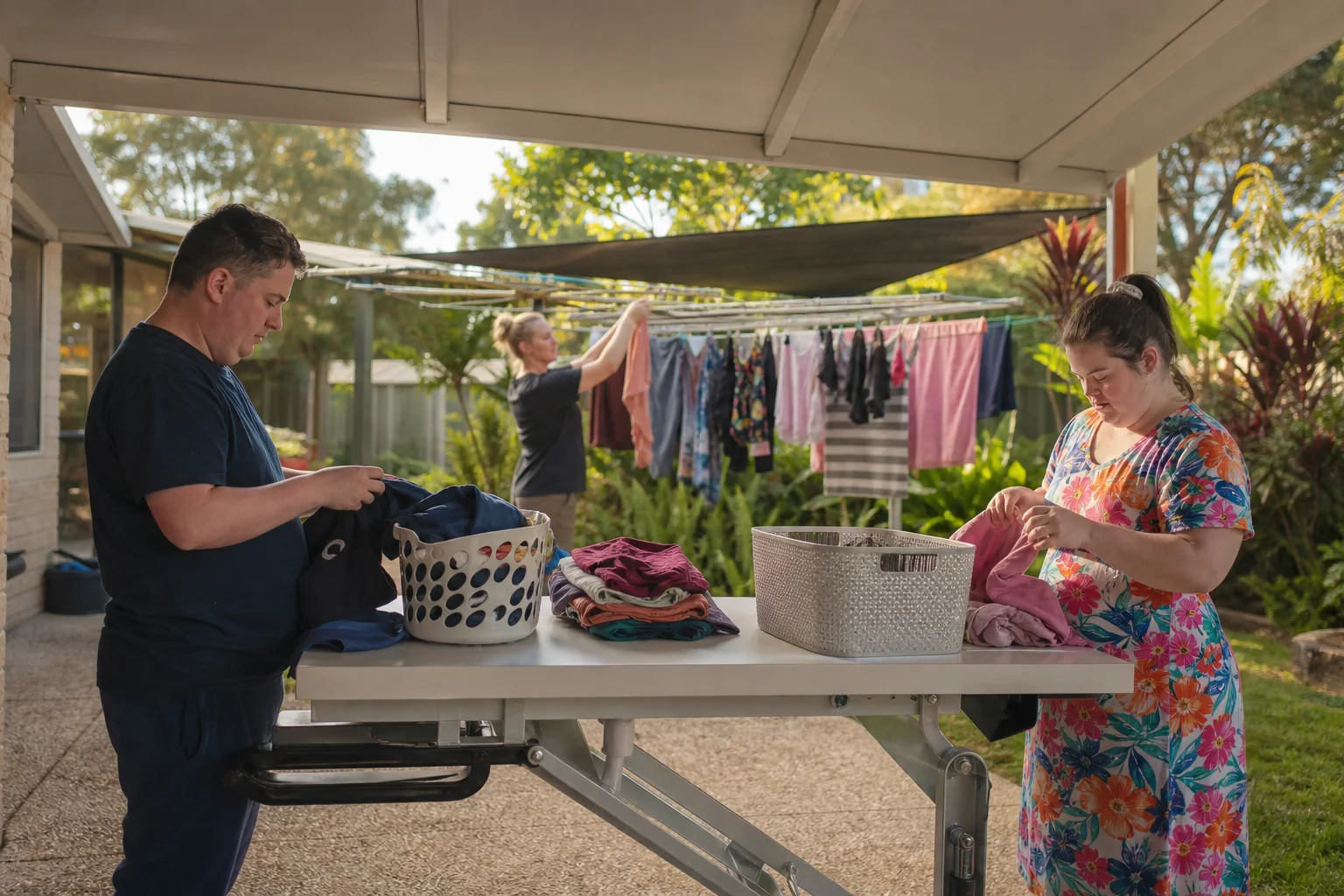
Choosing a Supported Independent Living (SIL) arrangement is about more than the building or suburb. If you are considering a shared home, the everyday fit between housemates and the way support will be shared can shape whether the arrangement feels calm, predictable and genuinely yours.
NDIS guidance says it is your choice who you want to live with and who you want to share your NDIS supports with. It also explains that SIL is paid support with daily tasks: it is not the rent, groceries or other ordinary living costs. This distinction matters when you compare a North Brisbane home, the people living there and the support arrangement around it.
This guide offers questions to discuss before making a decision. It does not replace advice about your individual NDIS plan, a tenancy agreement or your legal rights.
Start with two separate questions
A useful first step is to separate “Could I live well with these people?” from “Could this support arrangement meet my needs?” They overlap, but they are not the same.
Housemate fit includes routines, privacy, visitors, noise, shared spaces and how people prefer to communicate. Support fit includes when workers are available, which tasks are shared, which supports must be individual, what happens overnight and how changes are handled.
You can explore Tibii's SIL information for North Brisbane and its broader Supported Independent Living service information before speaking with a provider. These pages are a starting point, not confirmation that a particular home, vacancy or arrangement will suit you.
1. Compare everyday routines
Compatibility is often found in ordinary details. Ask what a usual weekday and weekend look like in the home. Topics may include:
- usual waking, meal and bedtime routines;
- work, study, appointments and community activities;
- how people use the kitchen, bathroom, lounge and outdoor areas;
- preferences about music, television, quiet time and social time;
- smoking, pets, food preparation and household chores; and
- how cultural, religious or personal routines are respected.
The aim is not to find people with identical lives. It is to identify differences early and decide whether the home and supports can accommodate them fairly.
2. Clarify what “shared support” means
Shared support does not mean every support is delivered as a group. NDIS guidance says SIL funding is based on your support needs, not on another person's needs. Ask the provider to explain, in a format you understand, which support times or tasks are expected to be shared and which are individual.
Useful questions include:
- Which parts of the daily roster involve one worker supporting more than one participant?
- How will my individual goals and personal-care needs be protected during shared periods?
- What happens if two people need help at the same time?
- How are overnight supports arranged?
- How can I raise a concern about the roster or the way support is delivered?
- What changes if another housemate moves out or no longer shares support?
NDIS guidance says participants can choose how many people they share their home with. It also notes that the NDIS does not fund a provider's vacancy costs in a shared living support arrangement. Ask how a vacancy could affect the day-to-day roster without assuming that your individual support needs or approved funding will automatically change.
3. Ask how housemate decisions are made
The NDIS Commission's SIL Practice Standards say arrangements should explain how vacancies will be filled, including each participant's right to have their needs, preferences and situation taken into account.
Ask who is involved when a potential new housemate is considered. Is there time to meet more than once, visit the home at different times, use your preferred communication method and speak privately with a trusted person? What happens if an existing participant says the match does not feel right?
Do not rely only on a short introduction. A structured discussion about routines, boundaries and shared support may reveal questions that a casual meeting misses.
4. Discuss privacy, visitors and shared spaces
A shared home should still feel like home. Ask what privacy looks like in bedrooms and personal areas, how people signal that they want time alone and how workers protect personal information.
The current SIL Practice Standards specifically address how participants can have visitors and exercise that choice safely without unnecessary restrictions. Ask how visitor expectations are agreed, how overnight guests are handled under the relevant tenancy arrangements and how disagreements about common areas are resolved.
It can help to walk through the home and discuss where people relax, take calls, receive visitors and store personal belongings. If you are comparing options, Tibii's supported living homes pathway can help you frame questions without implying that a particular vacancy is available.
5. Understand conflict and change processes
Even compatible housemates can disagree. A provider should be able to explain what happens before a small issue becomes a crisis. Ask:
- Who can each person speak to independently?
- How are communication preferences recorded?
- How are repeated noise, boundary or shared-space concerns handled?
- When would an advocate, support coordinator or other trusted person be involved?
- How are changes in a participant's circumstances or support needs discussed?
- How are complaints recorded, responded to and followed up?
Look for a process that keeps the participant involved and does not treat loss of housing as the automatic answer to a support-related disagreement.
6. Keep tenancy and support agreements clear
The NDIS Commission says a tenancy agreement and a SIL service agreement are legally separate documents when the same provider is involved in both housing and support. Participants should be helped to understand the difference, receive information in a suitable communication format and be able to seek independent advocacy or legal assistance where needed.
Before agreeing, check which document covers rent and tenancy matters, which covers NDIS supports, notice periods, costs, cancellations, complaints and how support changes are made. Ask for copies and take time to review them with an independent person if that would help. This article is general information and not tenancy or legal advice.
7. Consider a participant-led trial or preparation process
If it is available and appropriate, ask whether the decision process can include more than one visit, a shared activity or a gradual transition. The purpose is to learn about real routines and communication—not to test or judge a person's disability.
Agree beforehand what everyone wants to learn. Afterwards, give each potential housemate a private way to share feedback. Record practical adjustments, unanswered questions and any non-negotiable needs. A support coordinator or trusted person may help organise discussions when that support is included in the participant's plan.
A short comparison checklist
Before choosing a shared SIL arrangement in North Brisbane, consider whether you can answer these questions:
- Have I had a genuine say about who I live with and share support with?
- Do I understand the usual household routines and expectations?
- Do I know which supports are shared and which are individual?
- Is there a clear plan for simultaneous needs, overnight support and emergencies?
- Do the written arrangements cover visitors, conflict, vacancies and changing needs?
- Are the tenancy and support agreements separate and understandable?
- Can I raise concerns privately and involve an advocate or trusted person?
- Have I had enough time and accessible information to decide?
Choosing the next step
A strong SIL conversation should leave you with more than a tour and a promise that people will “get along”. You should understand the household, the shared-support model, your individual supports and what happens when circumstances change.
If you want to discuss the questions you could take to a North Brisbane SIL conversation, contact the Tibii team. Ask about your own circumstances, current service availability and next steps; do not assume that SIL, a particular home or a particular support arrangement is funded or available for you.
Back to Tibii Blog | Contact Tibii — 1300 736 731