High-intensity support handovers in Brisbane: an emergency-readiness checklist
A participant-led checklist for high-intensity support handovers, escalation and continuity planning during Brisbane emergencies and service disruptions.
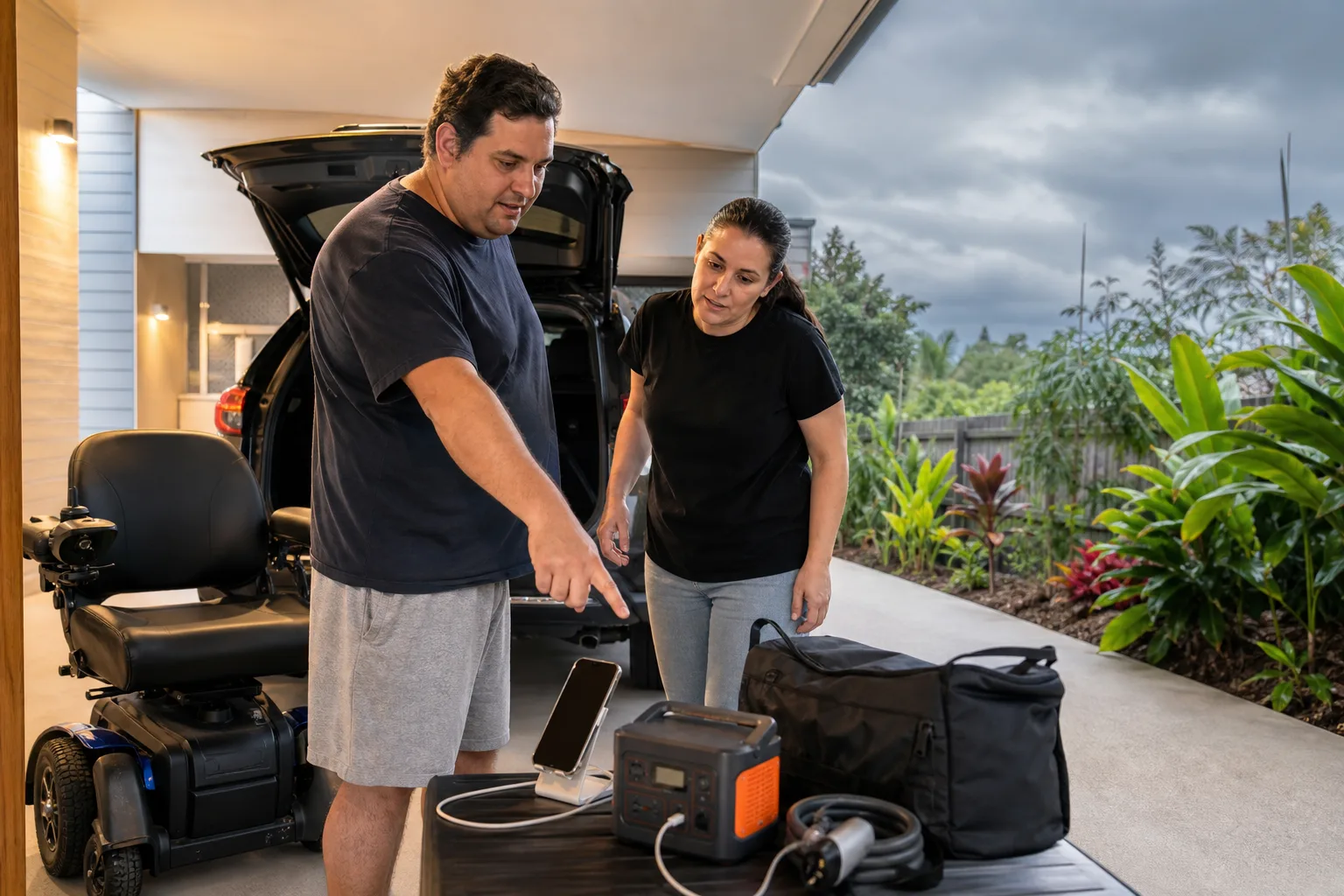
When high-intensity support is part of daily life, a good handover is more than a quick update between workers. It helps each person understand the participant’s current support plan, preferences, communication, known risks and agreed response steps. In Brisbane, the same preparation should also account for storms, flooding, heat and power interruptions that may disrupt usual supports.
This checklist is for participants, families and support networks preparing questions for an NDIS provider. It is general information, not clinical advice or an emergency response plan. A participant’s instructions must come from their current, individual support plans and the appropriately qualified health practitioners involved in developing them. In a life-threatening or critical emergency, call Triple Zero (000).
Why the handover should be participant-led
The NDIS Commission’s high-intensity support skills descriptors emphasise working closely with the participant to understand how support should be delivered safely in line with their preferences and routines. That means a provider should not treat a generic checklist as a substitute for knowing the person.
Before support begins, ask how the provider will involve you in preparing and reviewing the information workers use. If you communicate using gestures, a device, pictures, behaviour or another method, record how you express comfort, consent, pain, distress and emerging health concerns. Make sure the version available to workers is in a format you can also understand and review.
If you are comparing services, start with Tibii’s overview of high-intensity support and the local pathway for in-home disability support in Brisbane.
1. Confirm which plan applies to each support
High-intensity daily personal activities cover different types of support, and the relevant instructions depend on the participant. Ask the provider to identify the current plan for every activity they have agreed to deliver, who prepared or approved it, when it was last reviewed and what would trigger an earlier review.
A useful handover makes the current version easy for authorised workers to find without exposing sensitive information to people who do not need it. Ask how replaced versions are withdrawn, how changes from a health practitioner are confirmed, and how you will be told that the worker has received and understood an update.
Do not use a blog checklist to add, remove or change a clinical step. If a plan is unclear, expired or inconsistent with current advice, pause and resolve that question with the provider and relevant health practitioner before relying on assumptions.
2. Record preferences, consent and communication
Technical instructions are only part of safe, person-centred support. The handover should also capture how you want workers to approach the activity: preferred timing, privacy needs, positioning or environmental preferences already documented in the plan, the words or prompts you use, and when you want a trusted person involved.
Ask what happens if you decline, pause or want to change the way support is delivered. The response should preserve dignity and choice while following the agreed plan and managing known risks. Workers should know how to seek consent, recognise your communication and escalate a concern without speaking over you.
3. Check worker readiness before the shift
The question is not simply whether a worker has completed broad training. Ask how the provider confirms that the worker has the skills and knowledge relevant to your specific support, has read the current plan, understands their role and limitations, and knows who to contact when something is outside that role.
For a new or replacement worker, ask whether there will be an introduction, supervised orientation or competency check appropriate to the support. Confirm how the provider records refresher training and responds when a worker says they are not confident about an agreed task. A safe handover should make uncertainty visible early rather than leaving it to be discovered during the activity.
4. Make escalation steps easy to follow
The NDIS Practice Standards say support plans should address known risks and responses to individual, provider and community emergencies. For each relevant support, ask for plain, participant-specific answers to these questions:
- What change, sign or event requires the worker to stop and seek help?
- What is urgent, what is non-urgent, and who decides based on the current plan?
- Who is contacted first, and what is the backup if that person cannot be reached?
- What information can be shared, with whom, and with what consent?
- How are incidents documented, communicated to you and reviewed afterward?
Keep current contact details where authorised workers can access them. The plan should distinguish provider escalation from emergency services. It should never imply that a support worker replaces a qualified health practitioner or emergency responder.
5. Plan for a disrupted handover
A handover may fail because a worker is delayed, a phone has no signal, a road is flooded or power is unavailable. Ask the provider how critical supports will continue if the usual worker or system is unavailable. The NDIS Practice Standards require registered providers to consider continuity, workforce disruption, emergencies and disasters in support planning and service agreements.
Work through realistic scenarios that fit your home and support needs. These may include a late worker, an inaccessible route, loss of refrigeration or charging, a damaged communication device, or a temporary move from home. Record who will notify you, who can provide backup support, what equipment or information must travel with you, and what the provider cannot promise.
This should connect with your household plan, not compete with it. Get Ready Queensland recommends person-centred emergency planning around living situation, social networks, transport, communication, personal support, health management, assistive technology and assistance animals.
6. Practise the information flow
A short tabletop or walk-through exercise can reveal gaps without rehearsing a clinical procedure. Choose a realistic Brisbane scenario, such as a severe storm warning and an incoming worker delayed by local flooding. Ask everyone to explain how they would receive the alert, confirm your immediate support needs, locate the current plans, contact the backup person and record the handover.
Afterward, ask: Was any contact out of date? Was the plan accessible in the participant’s preferred format? Did workers know which document was current? Could essential information still be reached without power or internet? Update the plan through the proper process and schedule another review when circumstances change.
Questions to ask a Brisbane high-intensity support provider
- How will you learn my routines, preferences and communication before the first shift?
- How do you match worker competency to each support in my current plans?
- How do workers confirm they have read and understood a plan change?
- What supervision and escalation support is available during a shift?
- How will you maintain critical supports during severe weather, power loss or workforce disruption?
- How will I be involved in reviewing incidents, near misses and handover problems?
- What will be written into the service agreement about emergencies and continuity?
Keep the checklist connected to your own plan
The strongest handover is specific, current and understood by the participant as well as the workers. It links everyday preferences with authorised support instructions, clear escalation and a realistic continuity plan. It is reviewed when needs, workers, equipment, contacts or local circumstances change.
For a broader local overview, visit Tibii’s Brisbane NDIS provider information. To discuss your goals and ask what information would be needed before support could begin, contact the Tibii team. Tibii should confirm suitability and scope for each person rather than assuming a service is appropriate from a website enquiry.
Back to Tibii Blog | Contact Tibii — 1300 736 731